Who Really Holds the Power? Lessons from a “Game of Thrones” Riddle
Who Really Holds the Power ?
Power—it’s a concept that shapes societies, fuels ambitions, and dictates relationships. But have you ever paused to ask yourself: where does power truly reside? Is it in the hands of those with authority, those with influence, or those with the means to act? This age-old question has perplexed philosophers, leaders, and storytellers alike. In this article delight, we’ll explore a fascinating perspective on power inspired by a riddle from Game of Thrones. Through its lens, we’ll uncover deeper truths about influence, perception, and the dynamics that drive our behavior. These lessons on power will reshape the way you view control and authority and unravel the intricate web of what it truly means to hold power.
The “Game of Thrones” Riddle | Who Really Holds the Power?
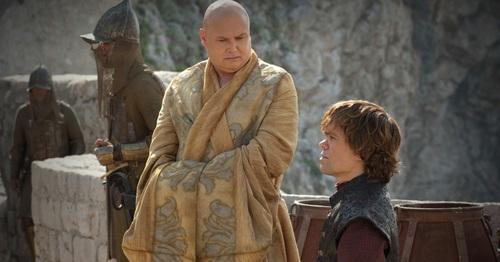
Varys poses a riddle to Tyrion :
“In a room sit three great men, a king, a priest, and a rich man with his gold. Between them stands a sellsword, a little man of common birth and no great mind. Each of the great ones bids him slay the other two. ‘Do it,’ says the king, ‘for I am your lawful ruler’ ‘Do it,’ says the priest, ‘for I command you in the names of the gods.’ ‘Do it,’ says the rich man, ‘and all this gold shall be yours.’ So tell me – who lives and who dies?”
Who Really Holds the Power? Let’s unpack the teachings
Power Lies Where People Believe It Does
Influence is often more potent than force or wealth. Persuasion and perception can shift the balance of power. The sell-sword’s choice depends on what he perceives as the most compelling argument or influence. If he believes in the king’s authority, the priest’s divine command, or the rich man’s gold, his actions will follow.
The Role of Psychological Power
The sell-sword, despite being the “little man,” holds a significant edge because he directly controls life and death. This illustrates the principle of asymmetrical power, where the one with control over a critical resource (in this case, action and violence) can outweigh those with structural or symbolic power.
The Fragility of Authority
The king’s authority, the priest’s divine claim, and the rich man’s wealth are all vulnerable if the sell-sword does not buy into their narratives. This underscores the fragile nature of authority—it is sustained by collective agreement, not inherent strength.
Broader Lessons for Life
- Influence matters more than force. Learn how to persuade and shape others’ perceptions.
- Control critical resources. Whether information, skills, or decisions, having something others need gives you leverage.
Final Takeaway | Who Really Holds the Power
Power isn’t about who has the crown, the gold, or the divine right—it’s about how these things are perceived and used. True power lies in understanding people, their motivations, and how to influence their decisions. It’s less about control and more about connection and trust. This is why even the most powerful individuals or leaders can falter if they lose the belief and support of others.
Additional read :34 Thrilling Facts About Game of Thrones https://facts.uk/34-thrilling-facts-about-game-of-thrones/
Read also : Top 3 Cool Ways to Embrace Uncertainty and Thrive in Life https://thebrightdelights.com/top-3-cool-ways-to-embrace-uncertainty-and-thrive-in-life/