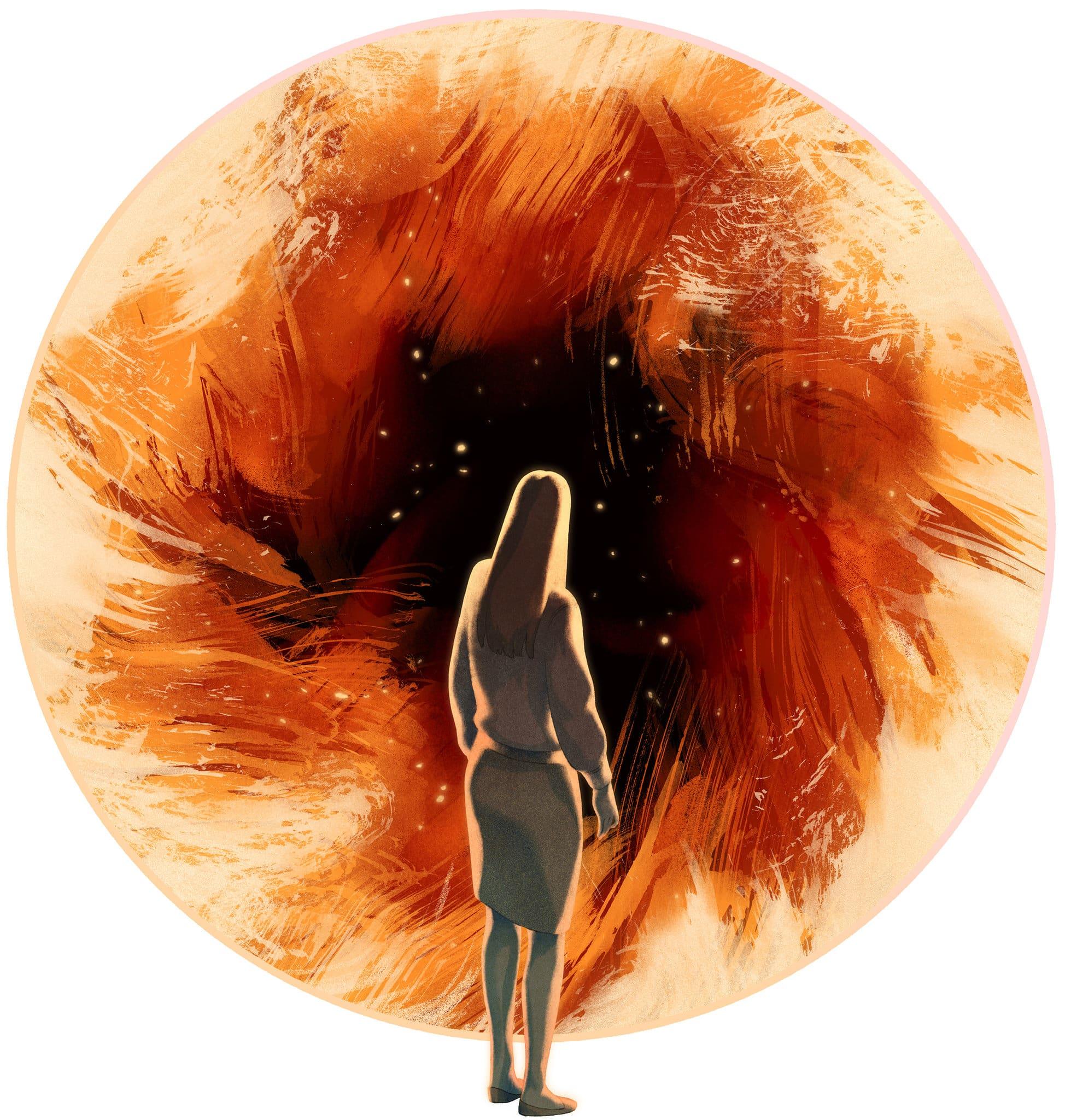
Concepts of Hells Across Religions: A Journey Through the Afterlife’s Dark Side
“Hell” a word that evokes fire, fear, and finality. Yet across religions, the concept of hell is far more nuanced than just torment in flames. While each tradition paints its own vivid picture, some terrifying, some transformative, it’s important to understand that these depictions aren’t always meant to be taken literally. Instead, think of hell as a metaphor, a symbolic reflection of the consequences of our actions, thoughts, and spiritual disconnection. Concepts of Hells Across Religions, whether described as boiling oil, eternal darkness, or inner suffering, often serve a deeper purpose: to caution us and invite us to live more consciously. This article is not a tour through fear, but a journey through moral landscapes; how different cultures and belief systems visualize the “dark side” of the afterlife.
Concepts of Hells Across Religions: A Journey Through the Afterlife’s Dark Side
Hinduism – Naraka: Justice Through Karma
In Hinduism, hell is called Naraka, a realm where souls face the consequences of their karma. Unlike eternal damnation, Naraka is temporary—a stopover between lives.
- Ruled by: Yama, the god of death
- Number of Hells: 28 types, each for a specific sin (e.g., deceit, theft, cruelty)
- Punishments: Boiling oil, freezing cold, torture by animals
- After Hell: Rebirth according to karma
Hell isn’t final—it’s a cosmic cleansing station before your next birth.
Christianity – Hell: Eternal Separation from God
Christian hell, often described in the Bible and shaped by centuries of art and literature, is a place of eternal torment for the unrepentant.
- Imagery: Fire, darkness, gnashing of teeth
- Concept: Separation from God is the greatest pain
- Key Influences: New Testament, Dante’s Inferno, medieval theology
Some denominations emphasize eternity, while others (like certain Protestants) believe the soul may be annihilated rather than tormented forever.
Hell is not just fire—it’s the absence of divine love.
Islam – Jahannam: Levels of Fire and Justice
In Islam, hell is called Jahannam—a blazing fire prepared for those who reject God and commit grave sins.
- Levels: Several, with varying intensity of punishment
- Imagery: Fire, boiling water, chains, scorching winds
- Possibility of Exit: For some, hell may be temporary after purification
The Qur’an vividly describes this place as both terrifying and just.
Every sin has its measure; every punishment its wisdom.
Judaism – Gehinnom: A Place to Learn, Not to Burn
Judaism’s vision of the afterlife is complex and less rigid than others. Gehinnom is not eternal hell but a spiritual cleansing space.
- Duration: Up to 12 months, then the soul moves to Olam HaBa (the World to Come)
- Purpose: Purification of the soul, not endless suffering
Only the most wicked remain longer.
Hell in Judaism isn’t where you stay—it’s where you reflect and heal.
Chinese Traditions – Diyu: Bureaucracy of the Afterlife
Influenced by Taoism, Buddhism, and folk beliefs, Chinese hell (Diyu) is a vividly detailed, bureaucratic system of judgment and punishment.
- Structure: 10 courts of hell, each ruled by a Yama King
- Punishments: Tongue-pulling, head-splitting, freezing, burning
- Goal: Reform the soul before reincarnation
Even the afterlife has paperwork and waiting rooms.
Zoroastrianism – The House of Lies
In one of the world’s oldest monotheistic religions, the soul faces judgment at the Chinvat Bridge.
- Good soul: Crosses to the House of Song (heaven)
- Wicked soul: Falls into the House of Lies (darkness, stench, suffering)
- Final Redemption: Some believe all souls are eventually purified
Hell is not God’s wrath—it’s your own falsehoods catching up.
Sikhism – Hell as Inner Suffering | Hells Across Religions
Sikhism doesn’t emphasize literal hells. Instead, it focuses on internal hells—mental and emotional suffering caused by ego, anger, and disconnection from God.
- Separation from God: The true suffering
- Cycle of Rebirth: The soul wanders until it finds liberation (Mukti)
Hell is living a life without spiritual awareness.
Greek Mythology – Tartarus: Hell for the Titans
In ancient Greek beliefs, Tartarus was a deep abyss beneath Hades where the worst offenders were imprisoned and tortured.
- Famous Residents: Sisyphus, Tantalus, Ixion
- Punishment: Eternal and ironic (e.g., Tantalus forever thirsty near water)
Greek hell is poetic justice wrapped in suffering.
Final Takeaway | Concepts of Hells Across Religions
Whether taken literally or symbolically, as eternal punishment or a temporary phase, the concept of hell across religions serves a deeper moral purpose. It invites us to reflect on justice, personal transformation, and the consequences of our choices. For some, hell is as an actual place; for others, it’s more of a mental state. But across all traditions, hell isn’t just about where you go after death, it often represents what you can become when you lose connection with truth, and higher awareness. Perhaps the more important question, then, isn’t “Is there a hell?” but rather, “How do we avoid creating one; right here, right now?”
Further insights, read Life After Death: The Evidence by Dinesh D’Souza https://amzn.to/41gTREX
Read also : Sunyavada in Buddhism | A Powerful Self-Help Philosophy https://thebrightdelights.com/sunyavada-in-buddhism-a-powerful-self-help-philosophy/