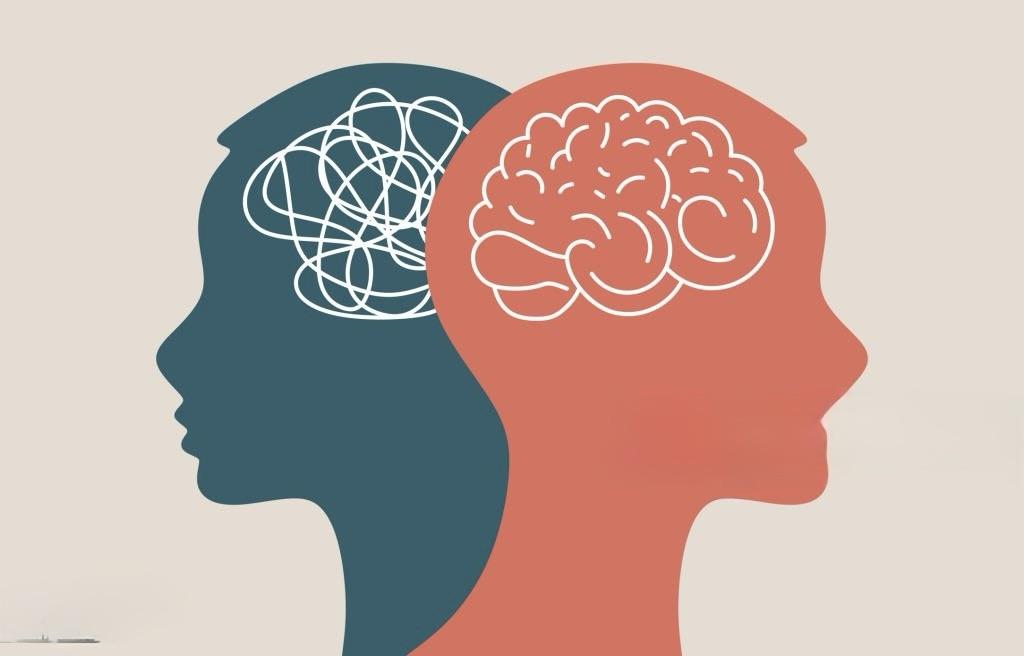
From Knowing to Doing: Closing the Gap Between Beliefs and Behavior
We value health, but postpone rest. We value relationships, but stay distracted. We value integrity, but choose convenience. Knowing is easy. Doing demands something more. Most of us can clearly name our values : honesty, compassion, health, growth, presence. And yet, when life happens, our actions often tell a different story. This article explores why awareness alone doesn’t change behaviour. And more importantly, how we can consciously close the gap from knowing to doing
Why Awareness Alone Doesn’t Change Action
Between belief and behavior sits a powerful layer of conditioning. Habits formed over years do not dissolve because of a moment of understanding. Emotional responses, comfort-seeking patterns, and fear of discomfort override logic faster than we realize.
The Real Gap : From Knowing to Doing
We like to think we make rational choices. In reality, most actions are emotional decisions justified by logic afterward. You may value calm, but anger hijacks the moment. You may value honesty, but fear of conflict intervenes.
Until emotions are acknowledged and not suppressed, behaviour will continue to contradict belief.
When Values Are Too Ideal to Be Lived
Sometimes the gap exists because our values are defined in perfection, not practicality.
“Be patient always.”
“Never get angry.”
“Be fully present at all times.”
These ideals sound noble but collapse under real-life pressure. Values need to be livable, not admirable. A value that cannot survive a difficult day is not guiding behaviour, it is judging it.
Shrinking the Gap: Make Values Actionable
Alignment begins when values are translated into small, observable actions.
Instead of “I value health” → “I will sleep 20 minutes earlier.”
Instead of “I value relationships” → “I will listen without interrupting once a day.”
Small actions reduce emotional resistance and build credibility with the self.
Work With Your Weak Moments, Not Against Them
Most people design their ideals for their best moods and then feel ashamed during their worst.
Real alignment comes from asking:
What do I do when I’m exhausted? How do I behave when I’m triggered? What choice feels easiest in pressure?
Values that account for weakness are the ones that survive.
Alignment Is a Practice, Not a Personality Trait
Some people are not “more disciplined.” They are more practiced. They fail, adjust, and return without turning misalignment into identity. Living your values is not about never falling out of alignment. It is about not staying disconnected for too long.
Final Takeaway | From Knowing to Doing
The goal is not to become an ideal version of yourself. The goal is to reduce the distance between intention and action taking small honest conscious steps at a time. When belief and behavior slowly begin to meet, life feels lighter. Not because it is perfect but because it is the truth and applicable .
Further insights : The Art of Choosing by Sheena Iyengar https://amzn.in/d/8ZpbE2W
Read also : Mediocre vs Great: The Difference Most People Miss ! https://thebrightdelights.com/mediocre-vs-great-the-difference-most-people-miss/