5 Plants to Avoid in Your Home as per Vastu
While plants are known to bring beauty and positive energy into our living spaces, did you know that some plants might not align well with Vastu, the ancient Indian system of architecture and design. This article delight talks about five plants that are best avoided in your home to promote balance, prosperity, and well-being according to Vastu guidelines. By being mindful of these 5 Plants to Avoid in Your Home as per Vastu , you can enhance the energy flow and create a more auspicious environment for yourself and your loved ones.
5 Plants to Avoid in Your Home as per Vastu
Negative Vastu Plants #1 : Mehendi
The Mehandi plant, while cherished for its cultural significance and aesthetic appeal, is believed to carry certain energies that may not align with the harmonious vibrations sought in a Vastu-compliant home. According to Vastu principles, the Mehandi plant is associated with Mars, a planet known for its fiery and aggressive traits. Having this plant in the home may inadvertently introduce a disruptive energy that can lead to conflicts, arguments, or even health issues.
Negative Vastu Plants #2 : Tamarind
While the Tamarind plant may have its merits in outdoor settings or in agricultural contexts, it is often advised to avoid planting it indoors or in close proximity to living spaces, according to Vastu guidelines. According to Vastu principles, the Tamarind plant is believed to emit negative energy, particularly during its flowering and fruiting seasons. This negative energy may disrupt the flow of positive vibrations within the home, creating obstacles in various aspects of life.
Negative Vastu Plants #3 : Lilies
While lilies are admired for their beauty, fragrance, and symbolism, they are not traditionally favored in Vastu practices. Vastu experts caution against the use of lilies in home decor due to their association with mourning and death in certain cultures. In Vastu, it’s believed that the presence of objects or symbols associated with negative emotions or events can disrupt the positive energy within the home. Lilies also pose serious health risks to pets, particularly cats. Many veterinarians and animal welfare organizations advise against keeping lilies in homes where pets reside.
Negative Vastu Plants #4 : Bonsai
Bonsai plants are meticulously pruned and trained to maintain their small size and unique shape. In Vastu, this stunted growth is seen as symbolic of limited progress and development. Vastu emphasizes the balance of the five elements—earth, water, fire, air, and space—to promote harmony and well-being. Bonsai plants, due to their confined root systems and restricted growth, may disrupt this balance by representing an imbalance of natural forces within the home.
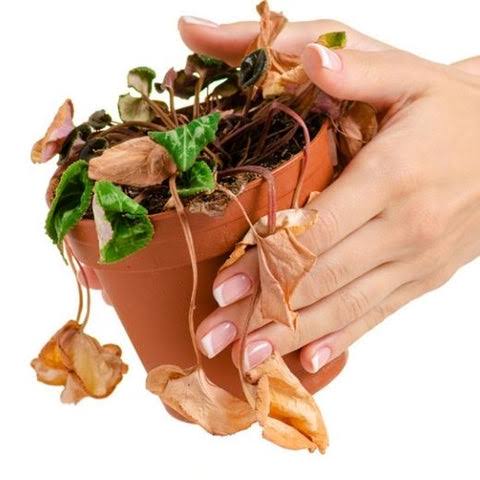
Negative Vastu Plants #5 : Any dead plant
Dead plants symbolize decline, decay, and lack of vitality. In Vastu, the home is considered a sacred space that should be filled with vibrant and life-affirming elements. The presence of dead plants contradicts this principle and can create an atmosphere of stagnation and decline. The presence of dead plants can have a negative psychological impact on the inhabitants, leading to feelings of sadness or even anxiety. Due to these reasons the presence of dead or dried plants in the home is generally discouraged.
Final Takeaway| 5 Plants to Avoid in Your Home as per Vastu
While the recommendations to avoid certain plants may vary, the underlying goal remains the same: to create a space that nurtures vitality, balance, and positivity. By being aware of the energies associated with above 5 Plants to Avoid in Your Home as per Vastu and their placement , we promote a space that fosters prosperity, and spiritual balance according to Vastu principles.
For further insights on vastu shastra: Read Vishvakarma Prakash ( Vastu Sastram ) https://amzn.in/d/hapFh8n
Read also : Know Your Birth Flower based on birthday month | Floral Horoscope https://thebrightdelights.com/know-your-birth-flower-based-on-birthday-month-floral-horoscope/