Hedonic Adaptation Explained | Why Happiness Doesn’t Last
So you have just bought a brand-new car. It’s your dream car, the one you’ve been eyeing for years. As you drive it off the lot, you feel a rush of excitement. The new car smell, the smooth ride, the advanced features—all of it brings a smile to your face. For the first few weeks, you find any excuse to drive, soaking in the pleasure of your new possession. But then, something happens. The thrill begins to fade. The car becomes just another part of your daily routine, no longer a source of extraordinary happiness. What’s going on here? This phenomenon, where the initial excitement and happiness of a new experience or possession fades over time, is known as hedonic adaptation. It’s a psychological process that affects all of us, influencing how we perceive and experience joy, satisfaction, and even sadness. But why does this happen? Why do the things that once brought us so much happiness gradually lose their luster? In this article delight, “Hedonic Adaptation Explained,” lets delve into the psychological mechanisms behind this phenomenon.
What is Hedonic Adaptation ? | Hedonic Adaptation Explained
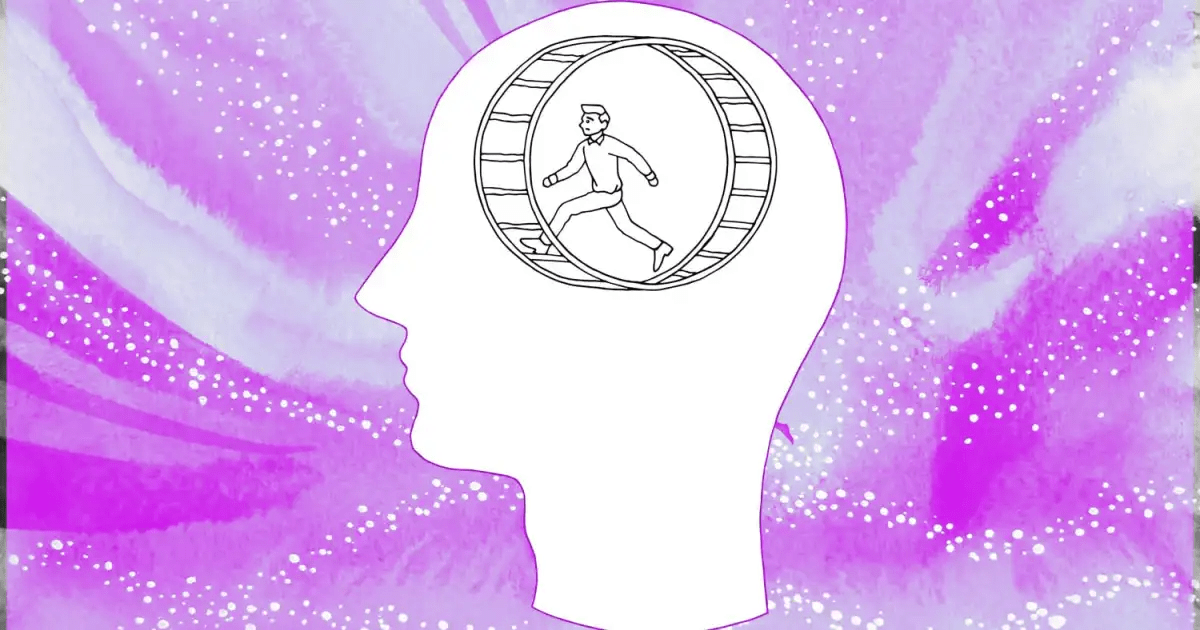
Our brains are wired to maintain a stable level of happiness, often referred to as our “happiness set point.” When something great happens, we experience a spike in happiness, but then we gradually adjust to this new situation, and our happiness levels return to baseline. The same happens when something terrible occurs; we feel a drop in happiness, but over time, we adapt and bounce back. This cycle of rising and falling, of adjusting and readjusting, is like running on a treadmill—no matter how fast we go or how far we think we’ve come, we often find ourselves in the same place emotionally. Hedonic adaptation, also known as the hedonic treadmill, is a psychological phenomenon where individuals return to a relatively stable level of happiness despite significant positive or negative changes in their lives. This means that after experiencing events that cause a spike in happiness, such as getting a new job, buying a new house, or even winning the lottery, people tend to return to their baseline level of happiness over time. Similarly, after experiencing negative events, such as losing a job, going through a breakup, or suffering an injury, people also tend to return to their baseline level of happiness eventually.
But here’s the good news. By becoming aware of this psychological process, we can make more informed choices about how we seek and sustain joy in our lives. Instead of constantly chasing after the next big thing, we can focus on strategies that foster enduring happiness and fulfillment.
Key Aspects of Hedonic Adaptation
Baseline of Happiness: Each person has a set point or baseline level of happiness, which is influenced by genetic factors and personality traits. This baseline acts as a default level to which people return after emotional highs and lows.
Adjustment Over Time: When positive or negative events occur, they temporarily affect a person’s happiness. Over time, however, the impact of these events diminishes, and the person’s happiness level gradually returns to the baseline.
Relative Nature of Happiness: People often compare their current situation to their past experiences and to the experiences of others. This relative perspective influences their perceived level of happiness.
Resilience: Hedonic adaptation demonstrates the human capacity for resilience, as individuals tend to bounce back from both positive and negative changes.
Examples of Hedonic Adaptation
Positive Changes:
Winning the Lottery:
- Initial Impact: Euphoria and excitement from newfound wealth.
- Adaptation: Over time, the joy diminishes as the individual gets accustomed to the new financial status.
Getting Married:
- Initial Impact: High levels of happiness and satisfaction from the new relationship.
- Adaptation: The intensity of positive emotions may decrease as the couple settles into routine life.
Promotion at Work:
- Initial Impact: Pride and increased happiness from career advancement and recognition.
- Adaptation: The thrill can wear off as the new role becomes part of the regular work routine.
Negative Changes:
Serious Illness:
- Initial Impact: Fear, sadness, and distress from health concerns and lifestyle changes.
- Adaptation: People often adapt to their new circumstances, finding ways to cope and maintain a sense of well-being.
Legal Trouble:
- Initial Impact: Stress, fear, and disruption of life due to legal proceedings and potential consequences.
- Adaptation: Many people eventually adapt to the situation, deal with the legal outcomes, and move forward with their lives.
Moving to a New City Unwillingly:
- Initial Impact: Discomfort, sadness, and stress from leaving a familiar environment and adjusting to a new one.
- Adaptation: People typically adapt to their new surroundings, build new social networks, and find new routines that restore their sense of well-being.
How To Raise Your Happiness Baseline ?
The interesting thing is that major life events tend to not change this baseline, at least fundamentally. However, even though each of us has a happiness baseline of sorts, understanding this fact can help you raise yours. Here are several strategies that might help you achieve this.
- Integrate the activities that bring you joy and contentment more and more into your daily routine.
- Focus on being present in the moment and savoring positive experiences.
- Engage in regular physical exercise, such as walking, jogging, swimming, or yoga. Exercise releases endorphins, which improves mood.
- Give Back: Find ways to contribute to your community or causes you care about.
- Find something you are passionate about and dedicate time and energy to it.
- Prioritize time with family and friends, engaging in meaningful conversations and activities.
- Regularly express appreciation for the people and things, you are grateful in your life.
Final takeaway
Life is inherently full of ups and downs, and experiencing a range of emotions is part of being human. By focusing on raising your happiness baseline, you’re building a solid foundation of lasting contentment and resilience. When you increase your happiness baseline or at least become aware of it, you become more adept at bouncing back from setbacks and appreciating the positives in your life. Incorporating practices like gratitude, mindfulness, regular exercise, and cultivating strong relationships might significantly elevate your baseline happiness. Over time, these habits help create a more stable and fulfilling emotional landscape.
So, take the time to invest in your happiness.
Additional read : Well-Being: Foundations of Hedonic Psychology https://amzn.to/3W9BeAN
Read also : Top 3 Unique Ways To Live Differently https://thebrightdelights.com/top-3-unique-ways-to-live-differently/