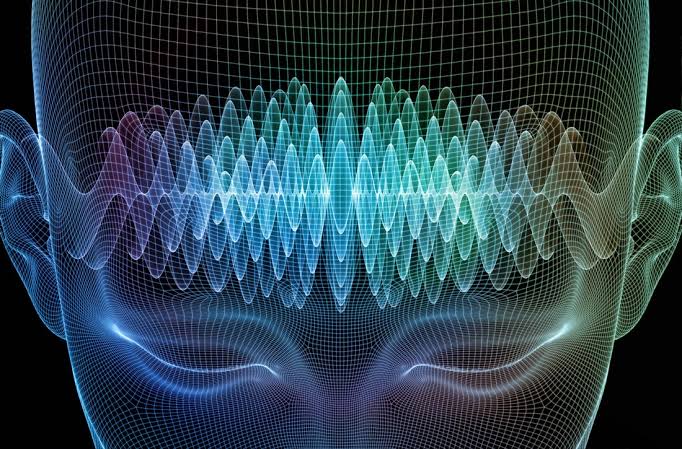
Understanding The Roles of Brain Waves : The Language of the Brain
Have you ever wondered how your brain operates, seamlessly juggling thoughts, emotions, and memories? Deep within the convoluted pathways of your mind, a hidden symphony plays out, conducted by a series of electrical signals known as brainwaves. Each brain wave is associated with a different state of mind. This article delight takes a closer look on Understanding The Roles of Brain Waves and their role in shaping our experiences.
What are Brainwaves ? | Understanding The Roles of Brain Waves
The human brain is made up of brain cells called neurons, which communicate with each other through electrical brain waves. The pattern of brain waves changes depending on one’s level of consciousness and cognitive processing. For example, when one feels fatigued or dreamy, slower brainwaves are likely dominant at that time.
Brain activity is generally characterized by a combination of brain waves. Depending on what one is doing at the time, a particular brain wave will be dominant over the others. This balance is important: When your brainwaves are not balanced properly, that you may experience both emotional and neuro-physical health concerns.
In short, your brain uses electrical signals to communicate and organize input and process information. Every time your brain completes a task or has an activity, it generates brainwaves.
Brain waves were discovered by German neurologist Hans Berger in the mid-1920s. Though Berger’s path to this discovery began because he wanted to record what he thought was psychic energy in the brain, he eventually narrowed his focus and successfully made the first recording of electrical waves in the brain: an electroencephalogram, or EEG. Since his discovery, EEGs have been used to provide useful information about one’s mental state and functioning. As they can lead to the diagnosis of epilepsy, sleep conditions, Alzheimer’s, and other issues related to brain functioning.
For further insights: visit https://www.ncbi.nlm.nih.gov/pmc/articles/PMC7176745/
Types of Brainwaves

Delta Brainwaves
This brainwave is a low frequency and most often occurs while you are sleeping, relaxing or deeply meditating. When you enter a Delta state, you are at rest or deeply asleep. Delta brainwaves are essential for restoration and rejuvenation.
Frequency: 0.5-4 Hz
Theta Brainwaves
Like Delta brainwaves, theta waves occur when you are relaxing or sleeping, and indicate dreaming and focus. Most of us dream in 90-minute cycles , as your dreams become more focused and energetic, your brainwaves turn from the resting Delta to the more active Theta.
Frequency: 4-8 Hz
Alpha Brainwaves
You’re awake and alert, but doing a restful, thoughtful activity. You could be reading, praying, or relaxing, but you are in an awake state. If you read before bed, maintain a journal, or do other activities to wind down from the day before sleeping, you’re in an Alpha state.
Frequency: 8-13 Hz
Beta Brainwaves
You experience Beta brainwaves during most of your waking hours. When you are working, thinking, doing homework or hobbies that require active attention, you’ll have measurable Beta brain waves. Since our waking hours are packed with things that need cognitive attention, creativity and focus, Beta brainwaves are the most common type we see in brain scans.
Frequency: 13-32 Hz
Gamma Waves
Gamma brain waves are the fastest and are associated with higher levels of consciousness. These high-frequency waves allows heightened sensory perception, rapid information processing, and moments of extraordinary insight. Gamma waves hold the key to unlocking our full cognitive potential.
Frequency: 32 – 100 Hz
Effects Of Meditation On Brain Waves | Understanding The Roles of Brain Waves
Brain waves fluctuate according to what you do and feel. Meditation, when done correctly, can move the brain waves from a higher frequency to a lower frequency, thereby having the ability to change how you feel. There is a process known as brain synchronization where the brain waves in both hemispheres of the brain synchronize together with the outside stimuli. This state can be attained through meditation and results in mood enhancement , improved creativity, mental clarity, and overall brain health.
Final Takeaway | Understanding The Roles of Brain Waves
From the restful depths of delta waves to the electrifying peaks of gamma waves, each type plays a vital role in sculpting our cognitive landscape. Understanding what brainwaves are, how they work and the role they play in your overall well-being can help you make informed decisions about your health and create healthier, more functional behaviors. The potential applications extend beyond personal development, with fields such as neuroscience, psychology, and medicine embracing brainwave research for innovative interventions and treatments.
So, the next time you find yourself lost in thought, remember that your brain is a symphony in motion, with its waves carrying the rhythms of your mind.
Read also : Identify Your Thinking Style from the 7 Types | Most Prevalent Thinking Styles https://thebrightdelights.com/identify-your-thinking-style-from-the-7-types-most-prevalent-thinking-styles/